RFID Based
Automation
for Library
Management
Self-Checkout | Inventory | Security | Analytics


Introduction to RFID Technology
It can either replace or supplement existing library bar codes. When the costs of labour is taken into consideration for tasks such as checkout, check-in, inventory holds, lists, mis-shelved items, etc., RFID can prove to be very efficient when compared to traditional bar codes.
Each RFID tag has a non-powered radio antenna which can be communicated to by a powered antenna belonging to a tag reader on a scanner or security gate.

Current Challenges in Libraries
Manual Barcode Scanning → Slow & Labor Intensive
Traditional barcode systems require manual scanning of each book individually, which is time-consuming and requires significant staff involvement. This slows down circulation desk operations and creates bottlenecks during peak hours.
Difficult Inventory Management
Physical inventory counting with barcodes can take days or weeks to complete. Staff must manually scan each book, which is prone to errors and makes it difficult to locate specific items or identify mis-shelved materials.
Security & Theft Detection Issues
Traditional library security systems are often ineffective or cumbersome. Materials can be easily removed without proper checkout, leading to loss of valuable resources and incomplete inventory records.
RFID = Way Forward in Post Covid-19 Era
Contactless Self-Service Operations
RFID enables touchless check-in and check-out, reducing physical contact and promoting safer library environments in the post-pandemic world.
24/7 Automated Library Services
Self-service kiosks and automated book drop stations allow libraries to extend services beyond traditional hours without additional staffing.
Reduced Staff Handling of Materials
RFID automation minimizes repetitive manual tasks, protecting staff from handling-related injuries while freeing them for higher-value patron services.
Enhanced Patron Experience
Faster checkout, accurate inventory, and self-service options significantly improve user satisfaction and library accessibility.
Our RFID Products for Library

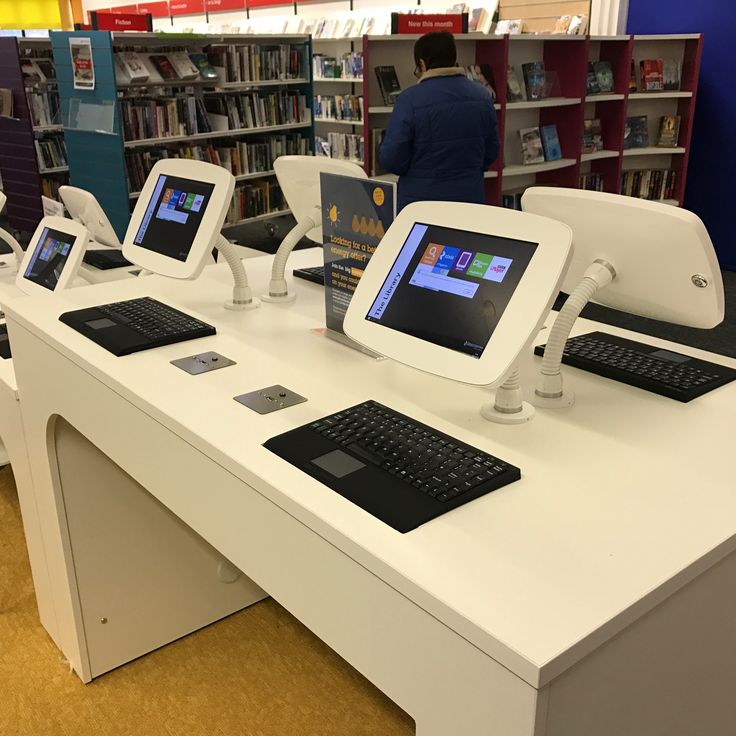
Staff Station for Circulation Desk
Staff station is used for issue return of library materials, entry of new material to the LMS etc. Streamlines circulation operations with fast, accurate processing of multiple books simultaneously.
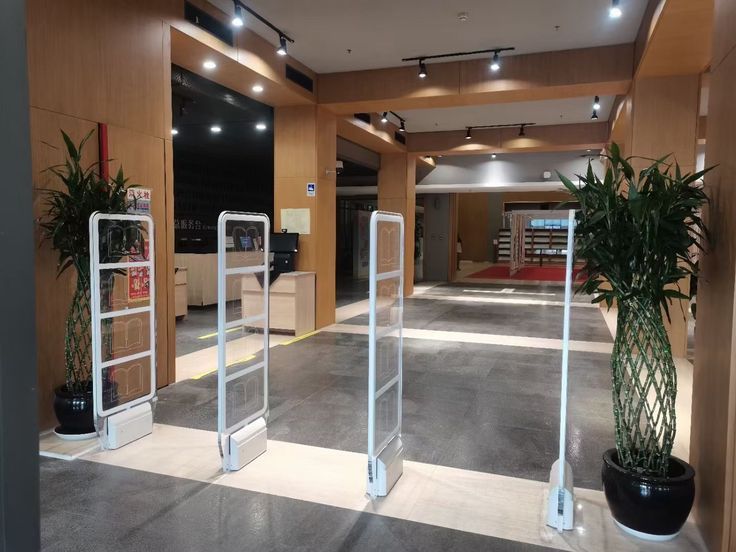
Security Gate Antenna System
3D Security gates are placed at exit gate of the library to keep check on unauthorized books going outside. Read range up to 1m with dual pedestals for comprehensive coverage.

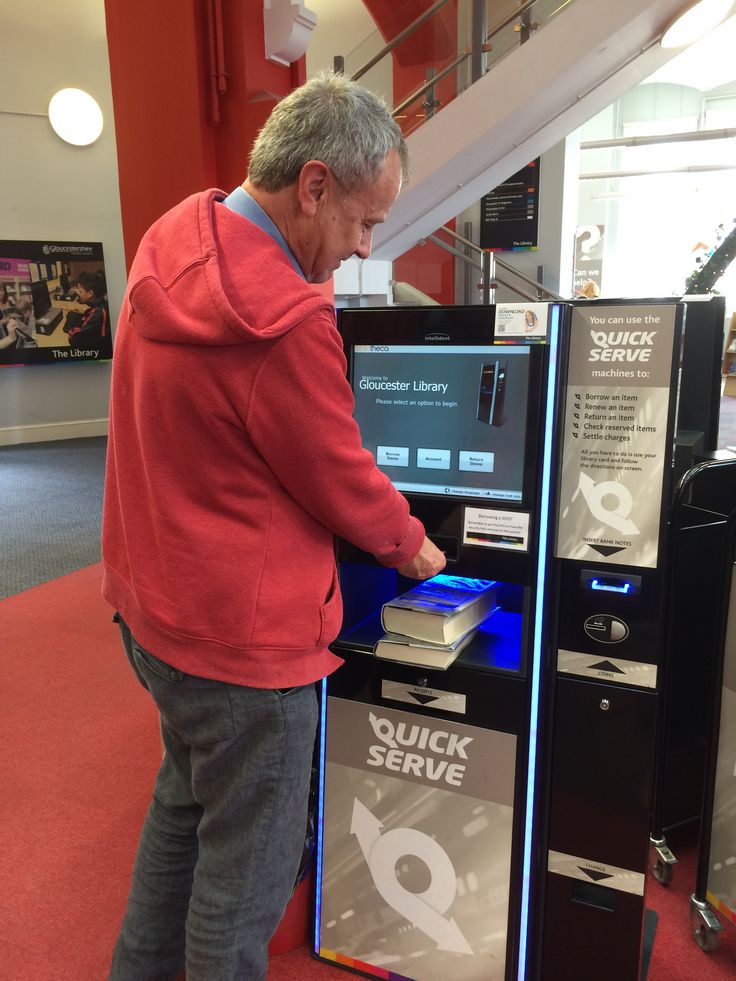
Self Check-In/Check-Out Kiosk
RFID enabled self-check in-check out system is an independent touch screen based kiosk for borrowers to perform issue-return functions on their own, reducing wait times.

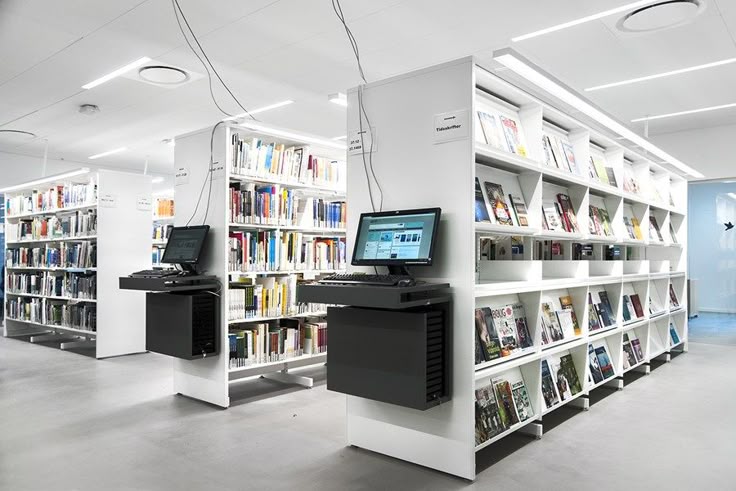
RFID Handheld Reader
Mainly used in stock verification of books which can be done in hours instead of days. Can also be used in searching a particular book by taking the reader to library racks.
Book Drop Station
Touch screen based stand alone multi protocol book drop primarily used for returning library books. Enables 24-hour return service with automatic check-in processing.

Middleware Software
Customized application to interface data from various RFID hardware products to the existing library management system. NCIP & SIP2 compliant for seamless integration.
RFID vs Barcode






Phases of Deployment






RFID Benefits & ROI

RFID technology transforms library operations by reducing labor costs, improving accuracy, and enhancing patron satisfaction. Multiple items can be checked in or out simultaneously, inventory can be completed in hours instead of days, and staff are freed from repetitive tasks to focus on patron services.
- Reliable self-checkout & check-in
- Faster inventory (hours vs days)
- Reduced staff handling injuries (RSI)
- 24-hour automated services
- Lower material replacement costs
- Higher patron satisfaction
Libraries We Serve