
Compute (Server) Layer
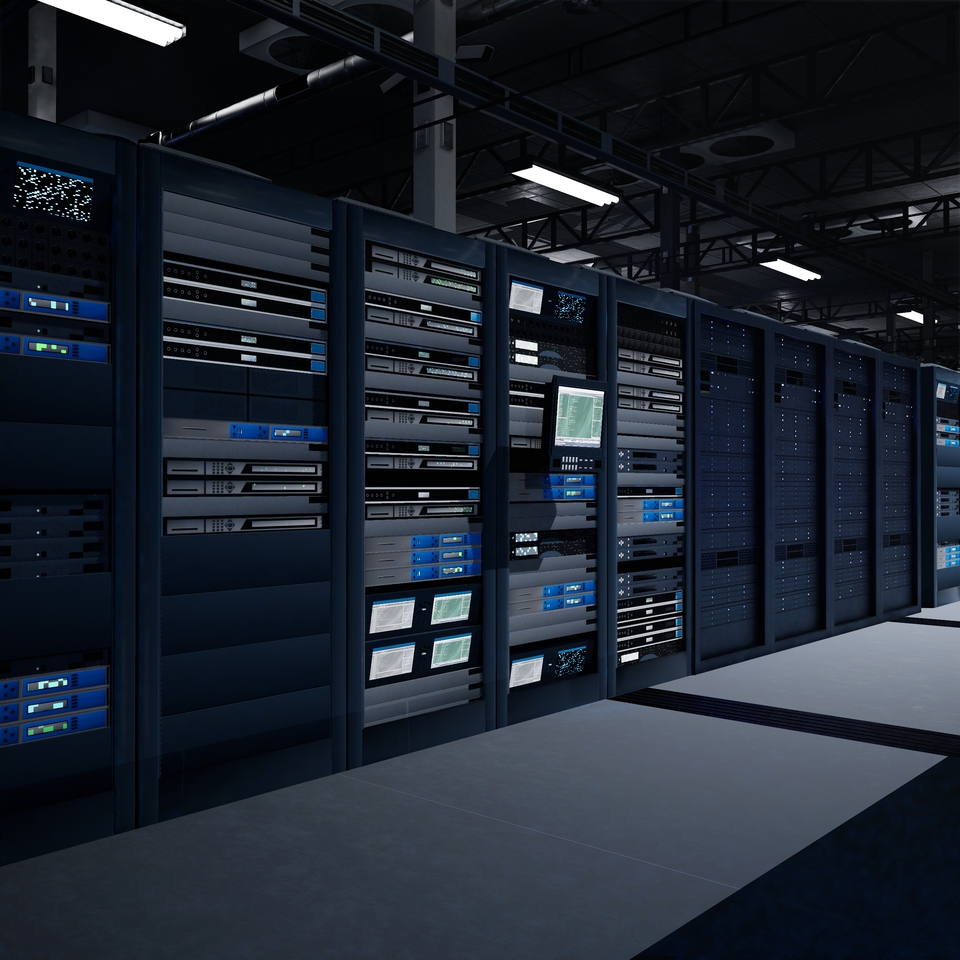
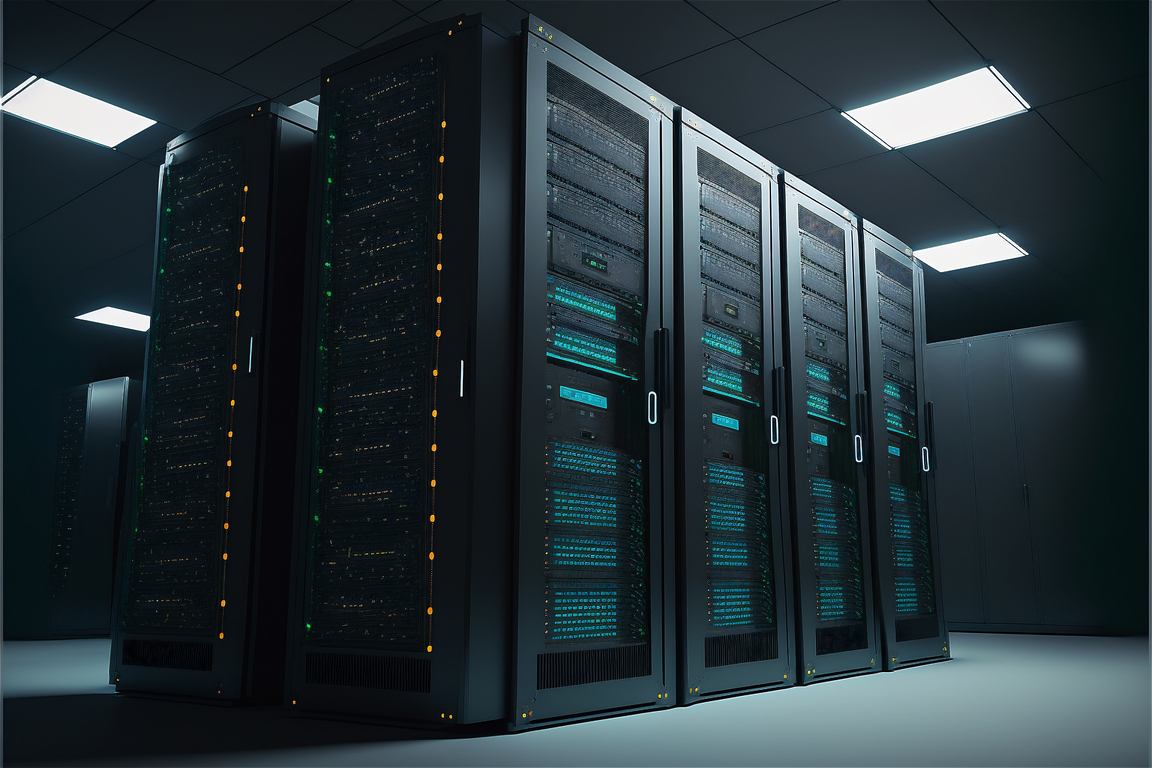
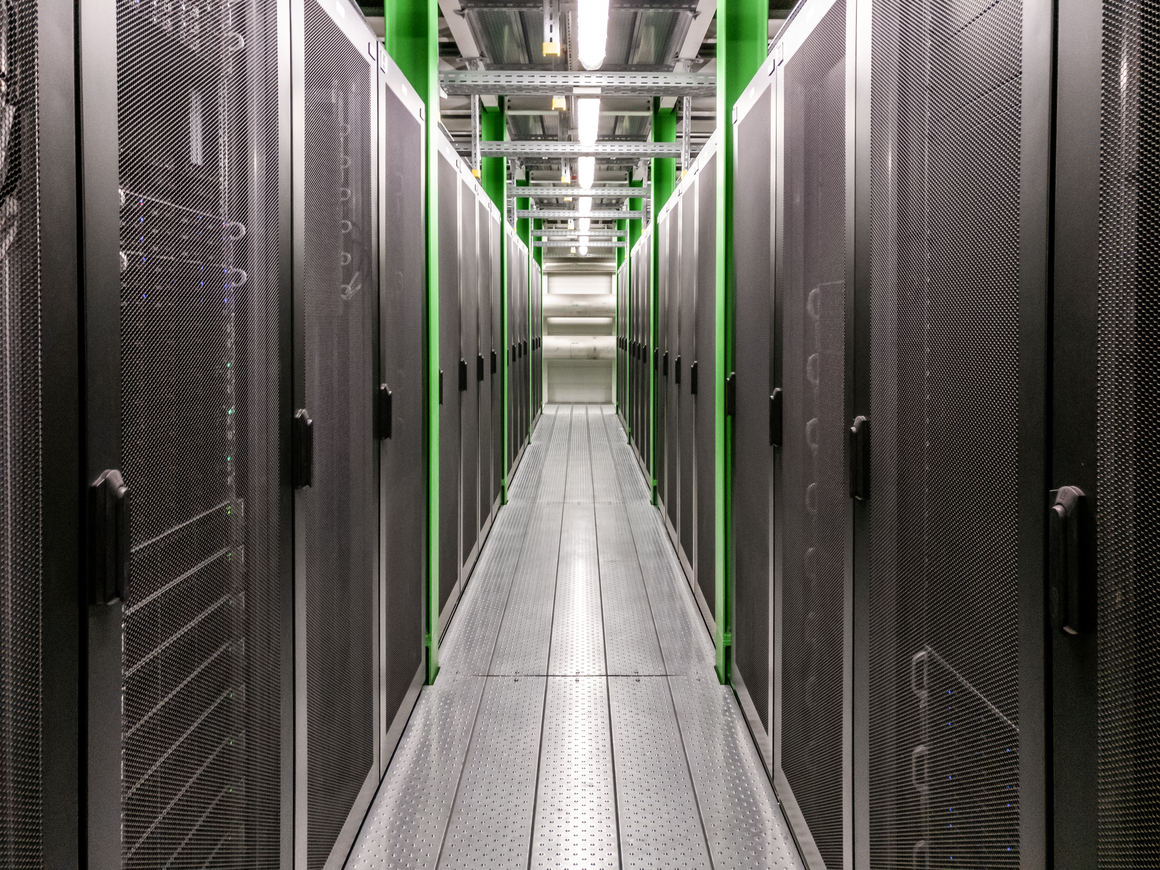
This layer includes rack, tower, and blade servers powered by multi-core CPUs and optional GPU accelerators. Servers handle application processing, virtualization, databases, and compute-intensive workloads.
Storage Layer
The storage layer provides centralized and distributed data storage using technologies such as SAN, NAS, and DAS. It supports HDD, SSD, and NVMe media to balance performance, capacity, and cost.
Data Protection & Backup Layer
This layer ensures data integrity and availability through backup, replication, snapshots, and disaster recovery mechanisms.
Reliable Application Performance
Enterprise-grade servers deliver consistent and high-speed performance for critical applications and workloads.
Data Availability & Protection
Redundancy, backups, and disaster recovery ensure data is always accessible and protected from failures or threats.
Scalability & Flexibility
Easily scale compute and storage resources to support business growth and changing workload demands.
Business Continuity
High-availability architectures minimize downtime and ensure uninterrupted business operations.